Sewer Repair in San Antonio, TX
Sewer repair services involve diagnosing and fixing issues within a property's underground sewer lines to ensure proper waste removal and prevent backups or leaks. Projects may include locating broken or collapsed pipes, repairing or replacing damaged sections, clearing blockages, and restoring the integrity of the sewer system. Homeowners typically seek these services when experiencing slow drains, foul odors, sewage backups, or visible signs of pipe deterioration, aiming to maintain a safe and functional plumbing system.
Before requesting sewer repair, property owners often want to understand the scope of the work involved, the methods used to diagnose problems, and the potential need for excavation or pipe replacement. It’s also helpful to know about the signs indicating a sewer issue and the importance of timely repairs to avoid more extensive damage or costly repairs in the future. Clear communication about the process and expected outcomes can assist homeowners in making informed decisions about their sewer system needs.
Many property owners in San Antonio, TX look into Sewer Repair for repairs, replacements, upgrades, and appearance-related improvements.
Common Sewer Issues
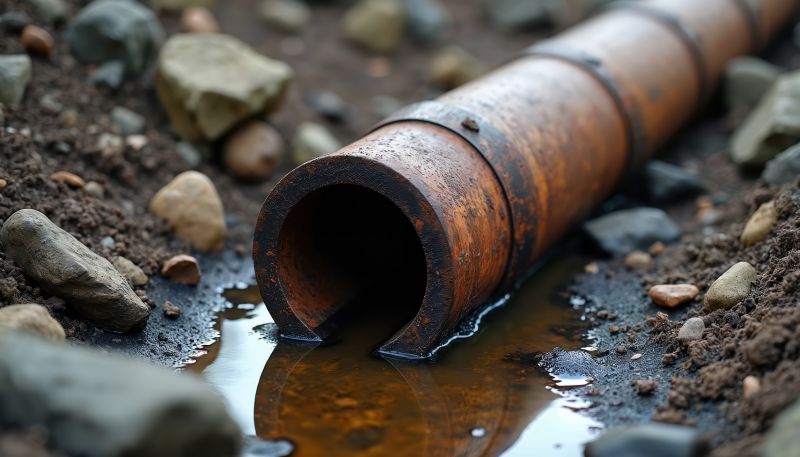
Sewer problems like clogs, backups, and leaks can disrupt property functions and require prompt attention.
Repair Techniques
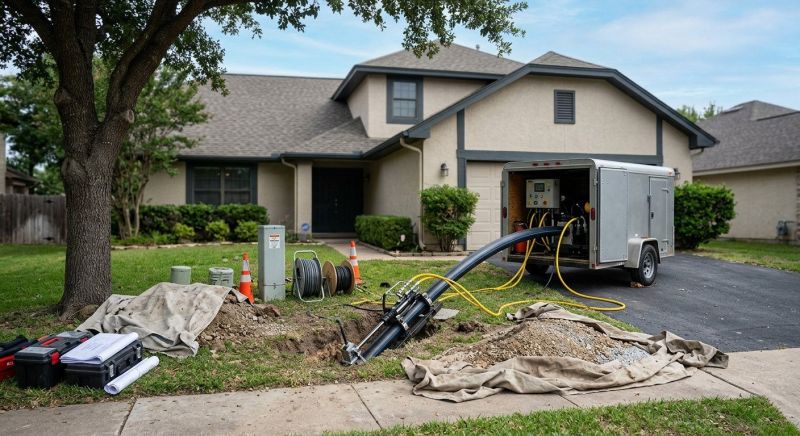
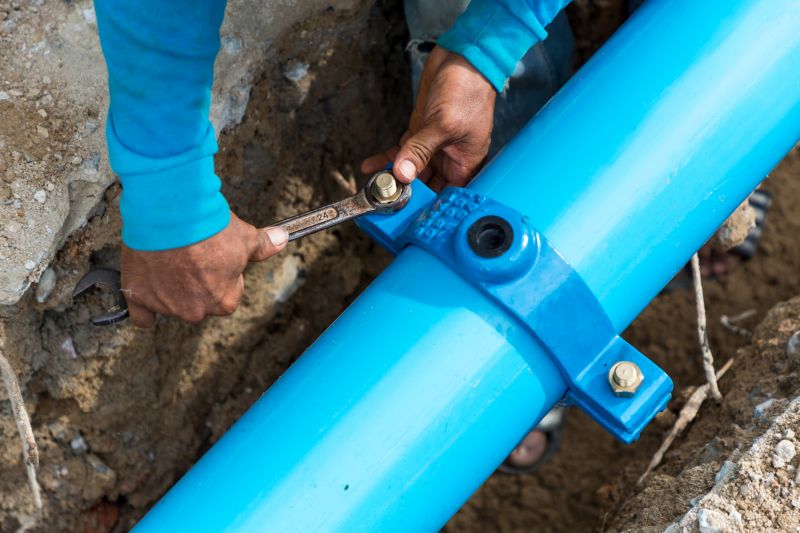
Repairs may involve pipe patching, relining, or replacement to restore proper sewer flow and prevent future damage.
Preventative Maintenance
Regular inspections and timely repairs help maintain sewer system integrity for homes and businesses in san antonio, tx.
Sewer Repair in San Antonio, TX

Sewer repair services involve diagnosing and fixing issues within a property's underground sewer lines to ensure proper waste removal and prevent backups or leaks. Projects may include locating broken or collapsed pipes, repairing or replacing damaged sections, clearing blockages, and restoring the integrity of the sewer system. Homeowners typically seek these services when experiencing slow drains, foul odors, sewage backups, or visible signs of pipe deterioration, aiming to maintain a safe and functional plumbing system.
Before requesting sewer repair, property owners often want to understand the scope of the work involved, the methods used to diagnose problems, and the potential need for excavation or pipe replacement. It’s also helpful to know about the signs indicating a sewer issue and the importance of timely repairs to avoid more extensive damage or costly repairs in the future. Clear communication about the process and expected outcomes can assist homeowners in making informed decisions about their sewer system needs.
Many property owners in San Antonio, TX look into Sewer Repair for repairs, replacements, upgrades, and appearance-related improvements.
Common Sewer Repair Jobs
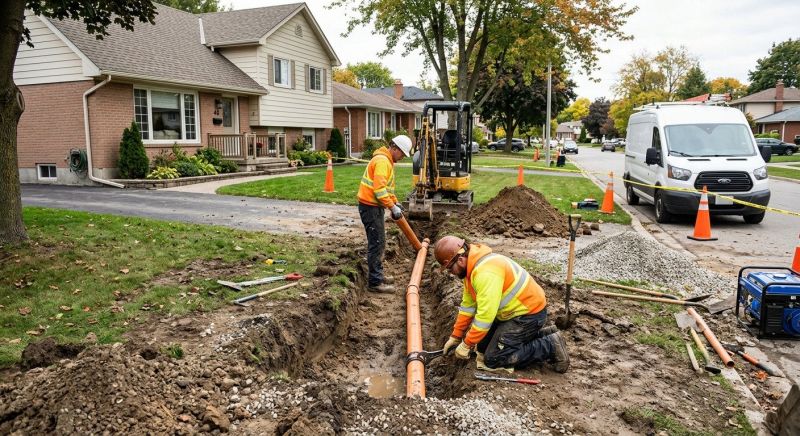
Sewer line replacement - involves removing and installing new sewer pipes to ensure proper flow.
Clog removal and clearing - addresses blockages caused by debris, grease, or tree roots.
Pipe leak repairs - fixes leaks that can cause water damage and unpleasant odors.
Video pipe inspections - uses cameras to identify issues inside sewer lines without excavation.
Root intrusion repair - removes invasive tree roots that can damage sewer pipes.
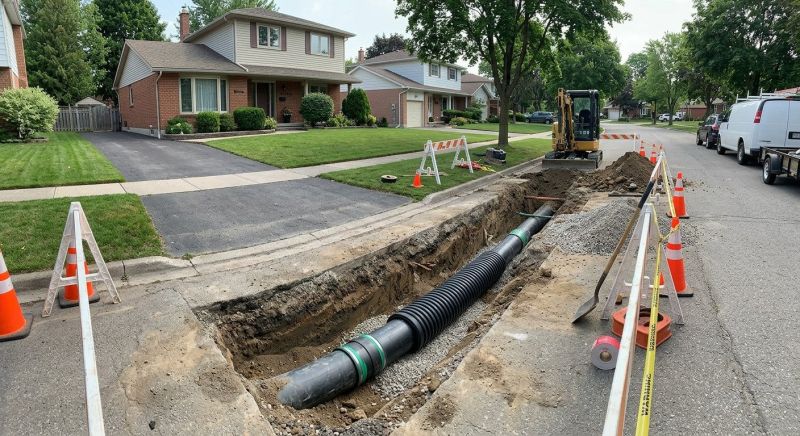
Trenchless sewer repair - minimizes excavation by repairing pipes through advanced technology.
Sewer Repair Questions
What are common signs of sewer problems? Signs include slow drains, gurgling sounds, unpleasant odors, or sewage backups in the property.
How is sewer repair typically performed? Repairs often involve locating the issue, then replacing or lining damaged pipes to restore proper flow.
What causes sewer pipes to fail? Common causes include tree roots, corrosion, shifting ground, or blockages that lead to pipe damage.
Is sewer repair disruptive to property use? Some repair methods are minimally invasive, but certain projects may require access to underground pipes, which can involve some disruption.
Request Sewer Repair in San Antonio, TX
Use the quote form on this page to share the basics of your project and request more information for the type of work you need.